A flexible roasted-vegetable bowl for the food-waste conversation
UNEP highlighted food waste for Zero Waste Day 2026. This original recipe responds with a practical idea: make a meal around vegetables you already have, while they are still safe to use. The bowl combines roasted vegetables, chickpeas and couscous, with a lemon dressing that can be adjusted at the table.
Jump to recipe ↓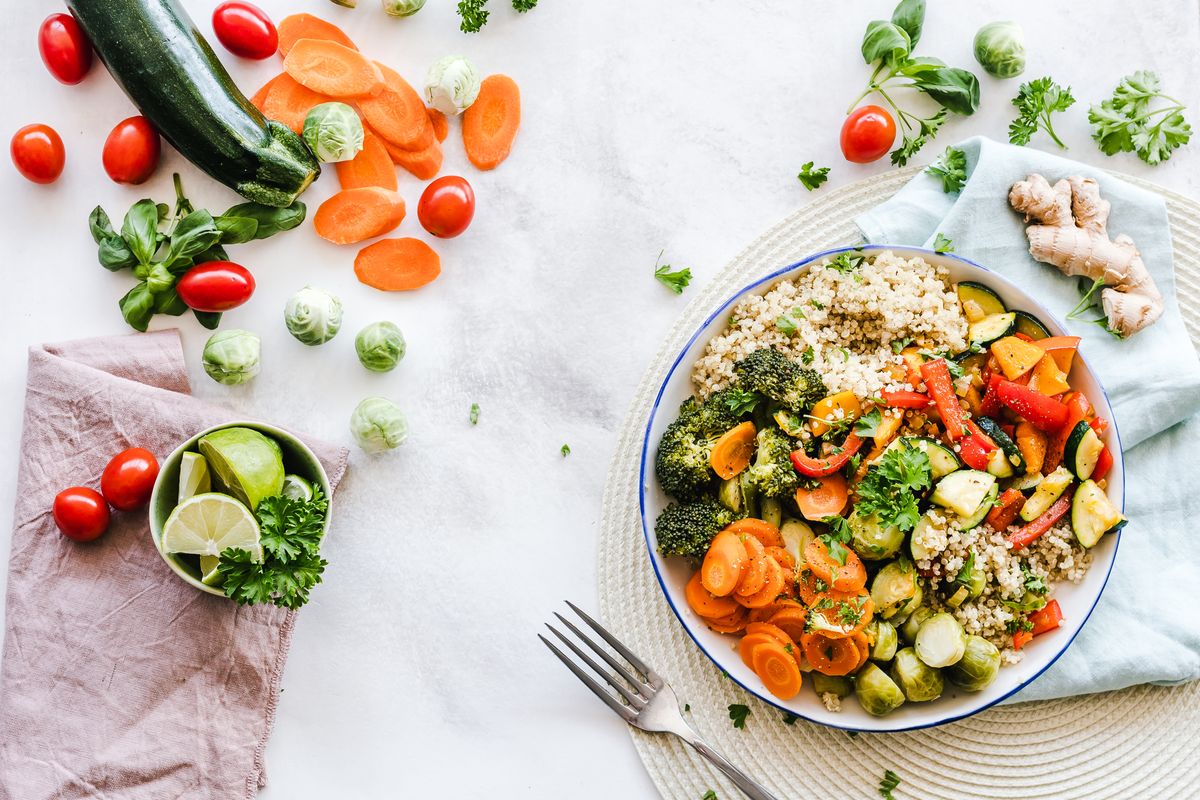
A flexible roasted-vegetable bowl for the food-waste conversation
Ingredients
How to make it
- Heat the oven to 220°C / 425°F. Put the carrot, pepper and courgette on a large baking tray with 1 tbsp oil, cumin and salt. Spread into a single layer.
- Roast for 20 minutes, turn the vegetables, add the chickpeas and roast for 10 minutes more, until the vegetables are tender. Use a second tray if crowded.
- Place couscous in a heatproof bowl, add the boiling water specified by the packet, cover and leave for the recommended time, usually 5 minutes. Fluff with a fork.
- Whisk the remaining oil with lemon juice. Divide couscous and vegetables between two bowls, add dressing and finish with parsley.
Make it work in your kitchen
Use vegetables with similar cooking times, or start firm roots earlier than soft vegetables. This recipe is about using sound ingredients, not rescuing spoiled food. Couscous contains wheat; cooked rice is an alternative for someone avoiding gluten, with separate cooking instructions.
Sources & further reading
Source material and official guidance. Original practical suggestions are editorial content, not statements from the organisations below. Checked September 9, 2026.
Have a correction or a question about this article? Contact the editorial team. Read our editorial policy and disclaimer.